Curtain Pole Fell Out of the Wall? How to Fix It
Curtain pole fell out of the wall? See why it happens, which fixings suit plasterboard, and when to get help with Curtain Pole and Blind Fitting in Birmingham.
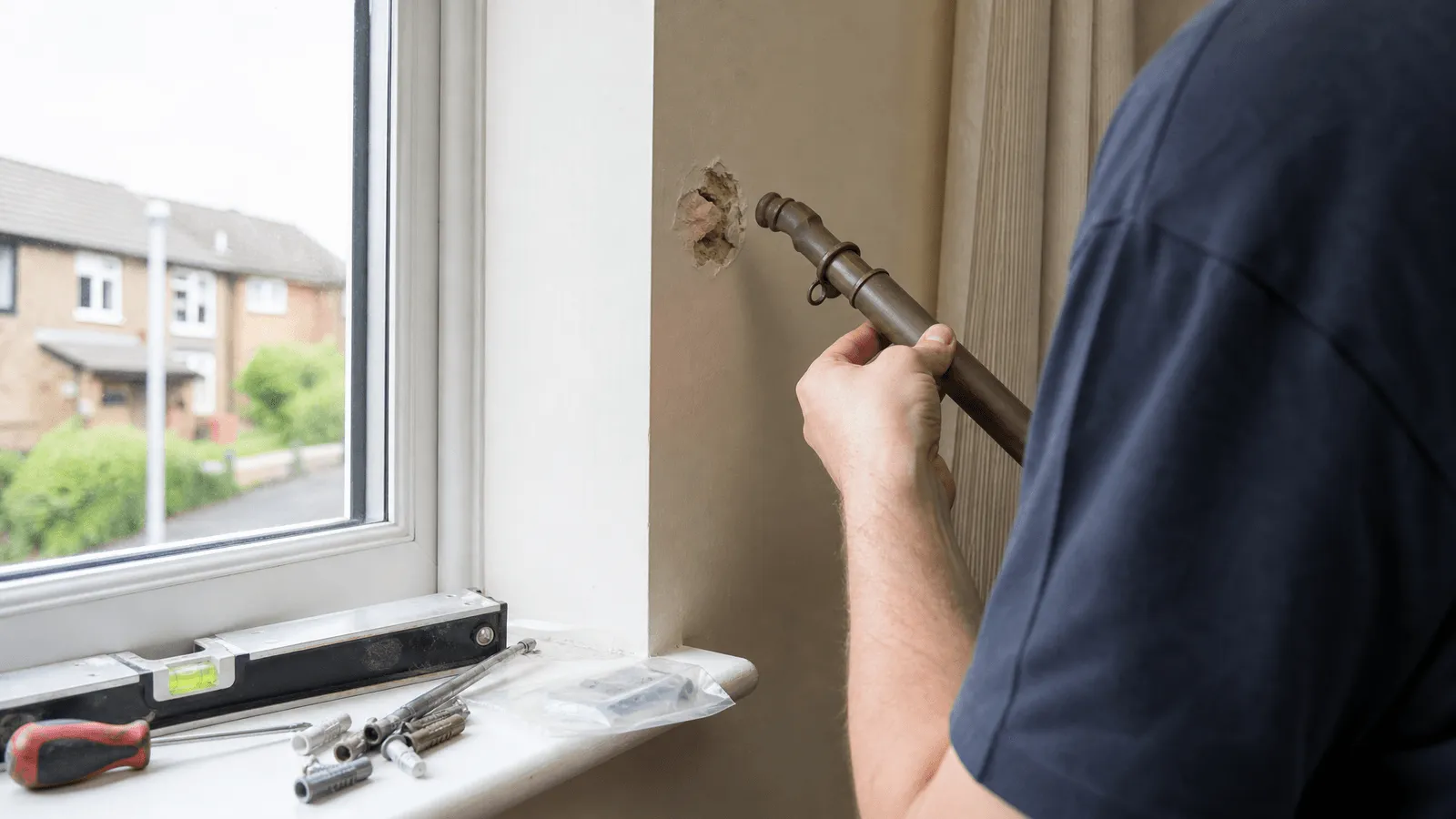
Curtain pole fell out of the wall? It usually takes a chunk of plaster with it, and the curtains end up on the floor. It’s an annoying job to come home to, and it’s easy to make worse by pushing the same screws back into the same holes. This guide explains why it happens, how to repair the damage and what to use so it stays up. It comes from Thompson’s - Local Handyman Services l Odd Job Man, and we cover Birmingham, Solihull and Sutton Coldfield.
Why Poles Come Away From the Wall
Most failures come down to the fixing, not the pole. A bracket held by a standard wall plug in plasterboard has very little to grip. Plasterboard is a thin sheet of gypsum over a hollow gap, so the plug just crumbles the paper and core around it.
Common causes include:
- General-purpose plugs used in a hollow wall
- Heavy lined curtains on a pole built for light fabric
- Too few brackets on a long span
- Curtains yanked sideways, which levers the bracket outwards
- Old holes reused after the wall has already been weakened
If your curtain rail ripped out of the wall, look at the back of the bracket. A plug that has pulled out with a cone of plaster attached tells you the wall couldn’t hold it.
Repairing the Wall Before You Refit
Don’t put the pole back until the damage is sorted. A filled hole isn’t a secure fixing, and drilling into loose plaster only crumbles it further. Get the basics right first.
- Clear loose material. Scrape away anything crumbling until you reach solid surface.
- Fill the hole. Use a ready-mixed filler suitable for plaster, pressed in firmly. Deeper holes may need two layers, left to dry between coats.
- Sand and check. Once dry, sand flush and see whether the surface feels firm.
- Decide on a new position. If the damage is large, move the brackets a few centimetres along rather than drilling into repaired plaster.
If the plaster is blown over a wide area, or the wall feels damp or soft, that’s a job for a plasterer. We’ll tell you so rather than patch it badly.
Choosing Fixings for Plasterboard Walls
What’s behind the surface decides which curtain pole plasterboard fixings will work. Tap along the wall: a hollow sound suggests plasterboard on a frame, while a dull, solid sound suggests masonry.
Into timber studs or a solid lintel: this is the strongest option. Screwing a bracket into timber gives far more hold than any hollow-wall plug. A stud detector helps you find where the timber sits.
Into hollow plasterboard: use fixings designed for cavities. Spring toggles, gravity toggles and metal cavity anchors all open out behind the board and spread the load. The packaging states the load each one is rated for, so check it against your curtains rather than guessing.
Into brick or block: use proper masonry plugs and the right drill bit, and drill without the hammer setting if the wall is plaster over a softer block.
Whichever you choose, add a centre bracket on longer poles so the middle doesn’t sag and drag the end brackets forward.
Check Before You Drill
What’s hiding in the wall? Cables and pipes often run above windows and beside sockets, so use a detector that picks up live wires and pipework. If you find or hit a cable or pipe, stop and call an electrician or plumber. We don’t do electrical or plumbing repair work.
When a Pole Keeps Falling Down
If the pole has come down more than once, the cause is rarely bad luck. Weigh up the curtains first. Thick lined or interlined curtains put real strain on a pole and its brackets, and a slim pole won’t suit them. A sturdier pole, more brackets or a wall-mounted track might.
Renting changes things. A tenant should check the tenancy agreement and speak to the landlord or agent before drilling or repairing, and GOV.UK has the official position on tenant and landlord responsibilities in England. If you’re a landlord turning a property round between tenancies, a loose pole is the sort of small snag that’s easiest dealt with alongside other repairs.
Our Curtain Pole and Blind Fitting service covers fixing poles, tracks and blinds, and repairing the wall behind them. Got a few other small jobs waiting, such as a shelf to put up or a door that sticks? We can quote them together as one list and sort them in a single visit. Evening visits are available until 9pm, Monday to Friday.
Key Takeaways
- Poles usually fail because the fixing was wrong for the wall, not because of the pole itself.
- Repair the wall before refitting, and move the brackets if the damage is large.
- Timber studs and lintels hold best; hollow plasterboard needs proper cavity fixings.
- Check for hidden cables and pipes before drilling, and stop if you find any.
- Heavy curtains may need a stronger pole or extra brackets.

Frequently Asked Questions
Generally no. The holes are usually damaged and will not grip a new fixing. Fill them, let the filler dry fully and drill fresh holes a short distance away, ideally into timber or with proper cavity fixings. Reusing a failed hole often means the pole comes down again.
Cavity fixings such as spring toggles or gravity toggles suit hollow plasterboard, because they open behind the board and spread the weight. Screwing into a timber stud is stronger still. Check the load rating on the packaging against the weight of your curtains before buying.
You can usually manage a small repair yourself if the plaster damage is minor and you have the right fixings. Ask for help if the damage is widespread, the pole is long and heavy, or you are unsure what is behind the wall. We'll be straight if a plasterer is the better option. [Call 0121 330 2052](tel:+441213302052) to talk through your pole, blinds or any other small jobs on your list, and we'll tell you honestly what is involved.
Jobs we can do for you
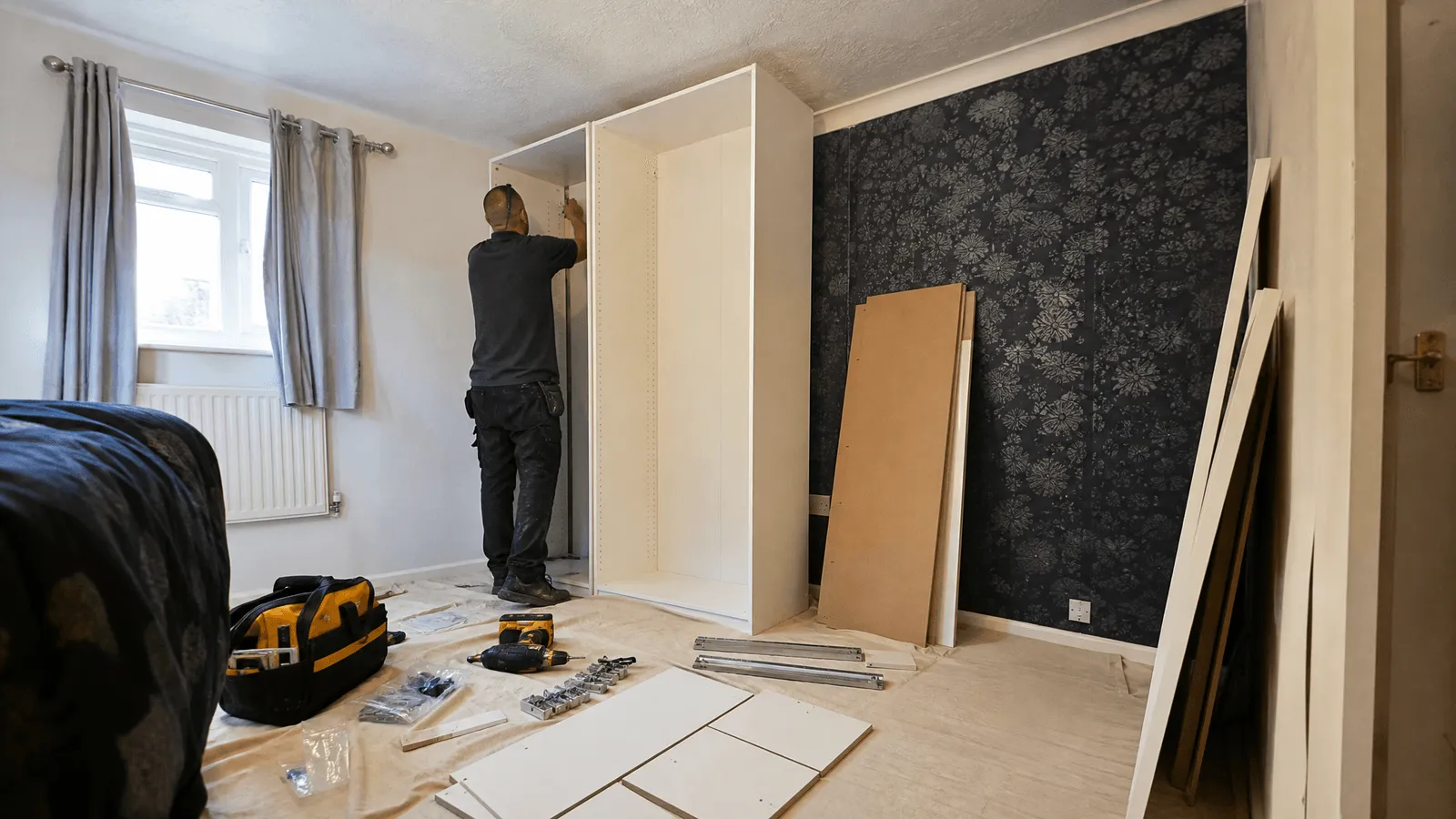
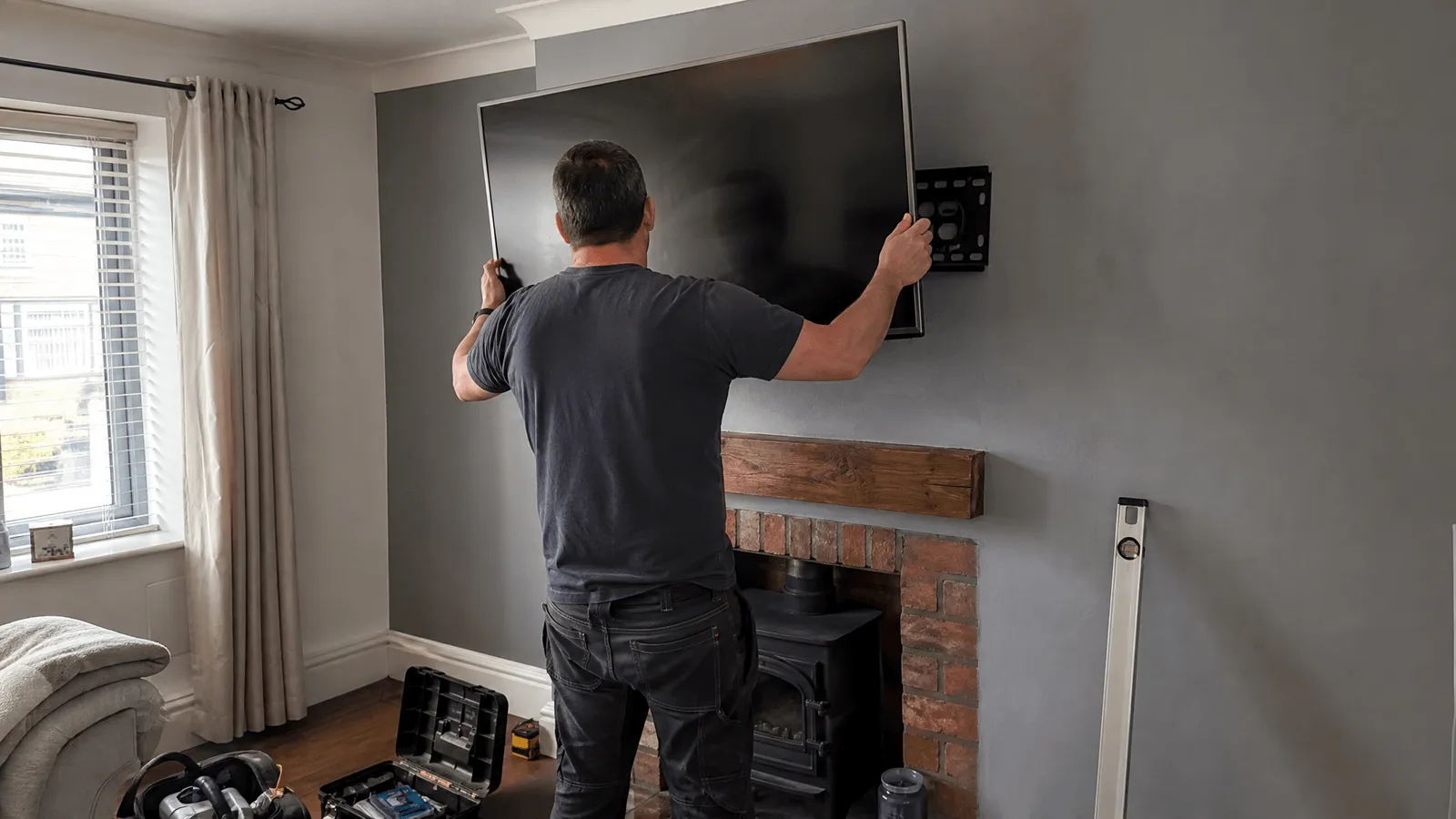
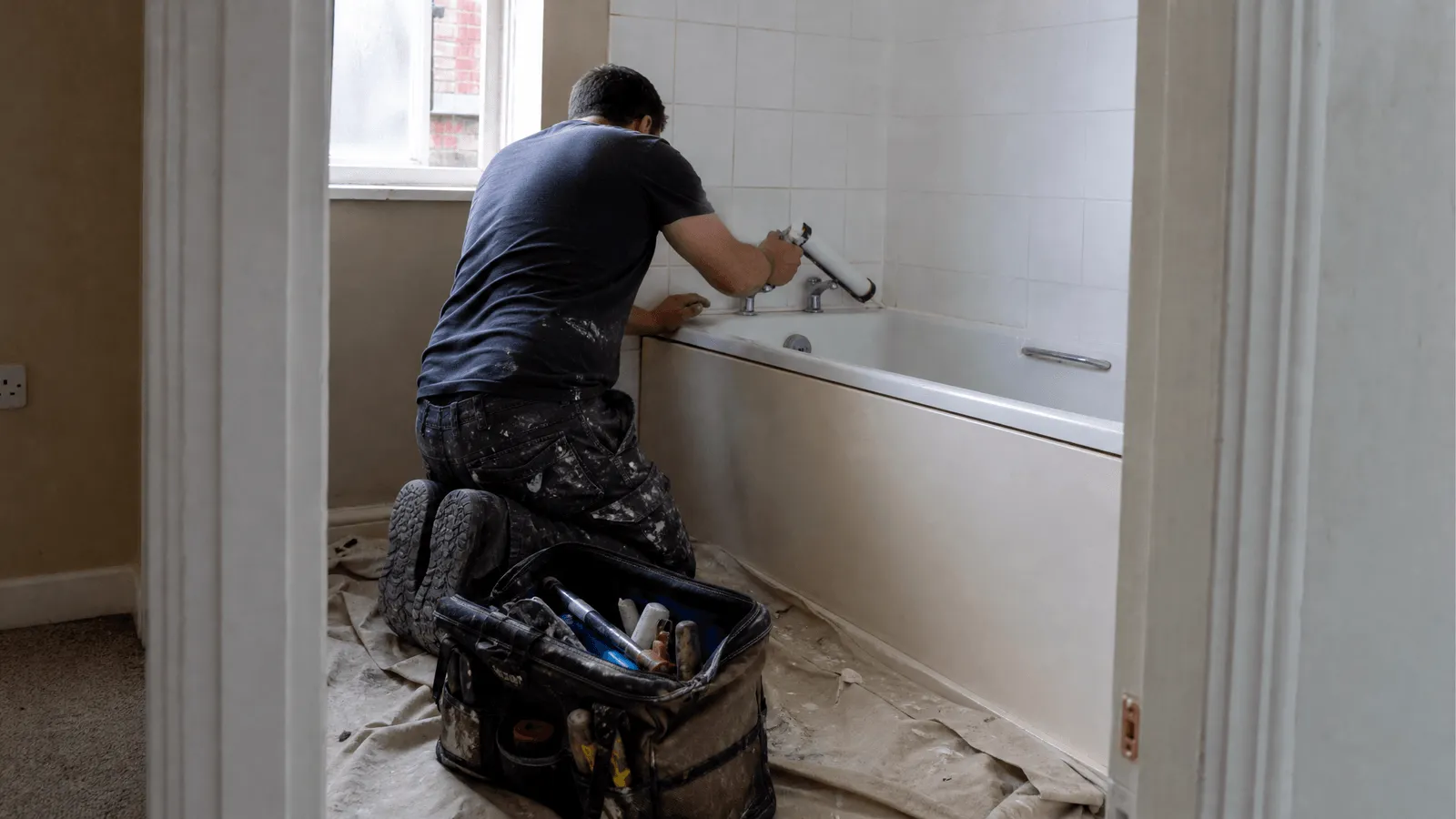
Got a list of small jobs?
Send it over by phone or the form and we will tell you what we can do in one visit.