Fair Wear and Tear in Birmingham: What Can a Landlord Deduct?
Fair wear and tear explained: what a landlord can deduct from a deposit and what they can't. Plus how our Property Maintenance and Landlord Repairs help.
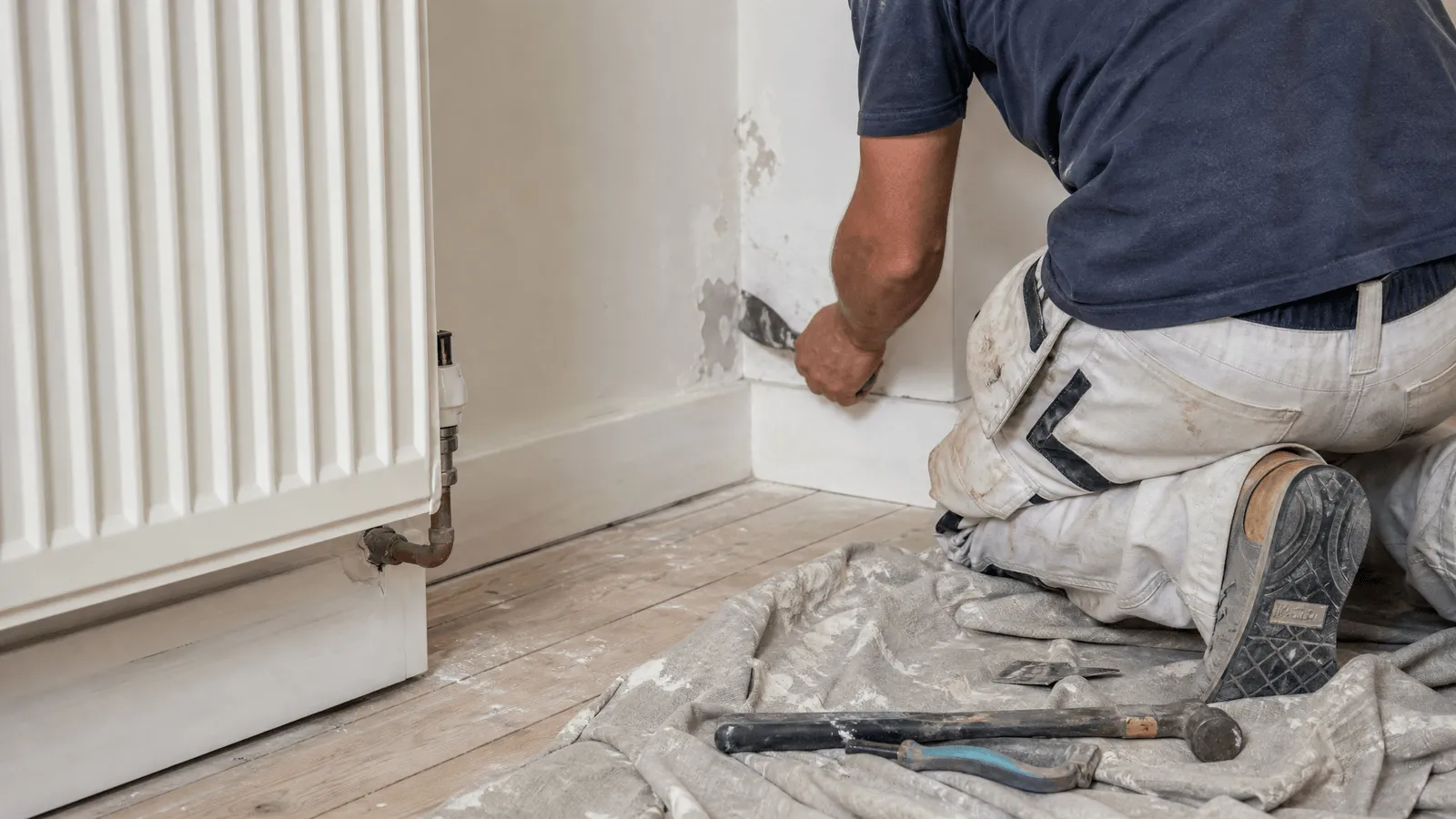
Few things are more annoying at the end of a tenancy than a row over the deposit. At Thompson’s - Local Handyman Services l Odd Job Man, we work from Birmingham B6, and we’ve seen that most disagreements come down to one question: is this fair wear and tear, or is it damage? This guide explains the difference in plain terms, what landlords can and can’t take, and how to get the small jobs finished before check-out so you can hand the keys back with a clear head.
What counts as normal ageing in a rented home?
Live in a place for a year and it will show it. That’s fair wear and tear: the gradual deterioration that comes from people simply living in a property, and a landlord can’t charge a tenant for it. Examples include lightly faded paint, carpets worn along the main walking routes, small scuffs on walls, and a loose hinge that has slackened over time.
Damage is different. It comes from an accident, misuse or neglect: a burn in the worktop, a door kicked in, a large stain left to set, or a hole punched through plasterboard.
The line isn’t always sharp. A few small nail holes from picture hooks usually sit on the wear side, but dozens of large, badly filled holes are harder to argue. The age and condition of the item at the start of the tenancy matters too, because no two properties are the same.
What can a landlord legitimately take from a deposit?
Not everything a landlord would like to claim is fair game. Generally, a landlord can claim for unpaid rent, damage beyond normal use, items that are missing, and cleaning needed to bring the property back to the standard it was in at the start. These end of tenancy deductions must reflect real loss, not a wish list.
Two points work in the tenant’s favour:
- No new-for-old. If a five-year-old carpet gets a stain, a landlord shouldn’t expect the tenant to pay for a brand new one. The age and remaining life of the item count.
- No upgrades. Landlord deposit deductions are meant to put things back as they were, not improve them.
In England, deposits for assured shorthold tenancies must be protected in a government-approved scheme. The rules on timing, what must be given to the tenant and how disputes are handled are set out on GOV.UK, so check there for the official position. This guide is general information, not legal advice.
How do you avoid a dispute over deductions?
Evidence settles most disagreements. Photographs, a signed inventory and dated check-in notes carry far more weight than memory.
- Compare against the inventory. Walk round with the check-in report and note anything that already looked worn on day one.
- Take dated photos on move-out. Cover walls, floors, appliances, fixtures and the garden if there is one.
- Ask for itemised costs. If a deduction is proposed, ask what it’s for, with a quote or invoice where there is one.
- Use the scheme’s dispute service. If you can’t agree, the deposit scheme holding the money has a process for independent adjudication. Details are on GOV.UK and on the scheme’s own site.
Which small repairs are worth sorting before check-out?
A cluster of little jobs can turn into an argument, and a handyman can take the pressure off by clearing them in one visit. It’s worth getting right before the day arrives. Tenants can tidy up their own marks where the tenancy allows it, and landlords can use the gap between tenancies to get the property ready for the next person.
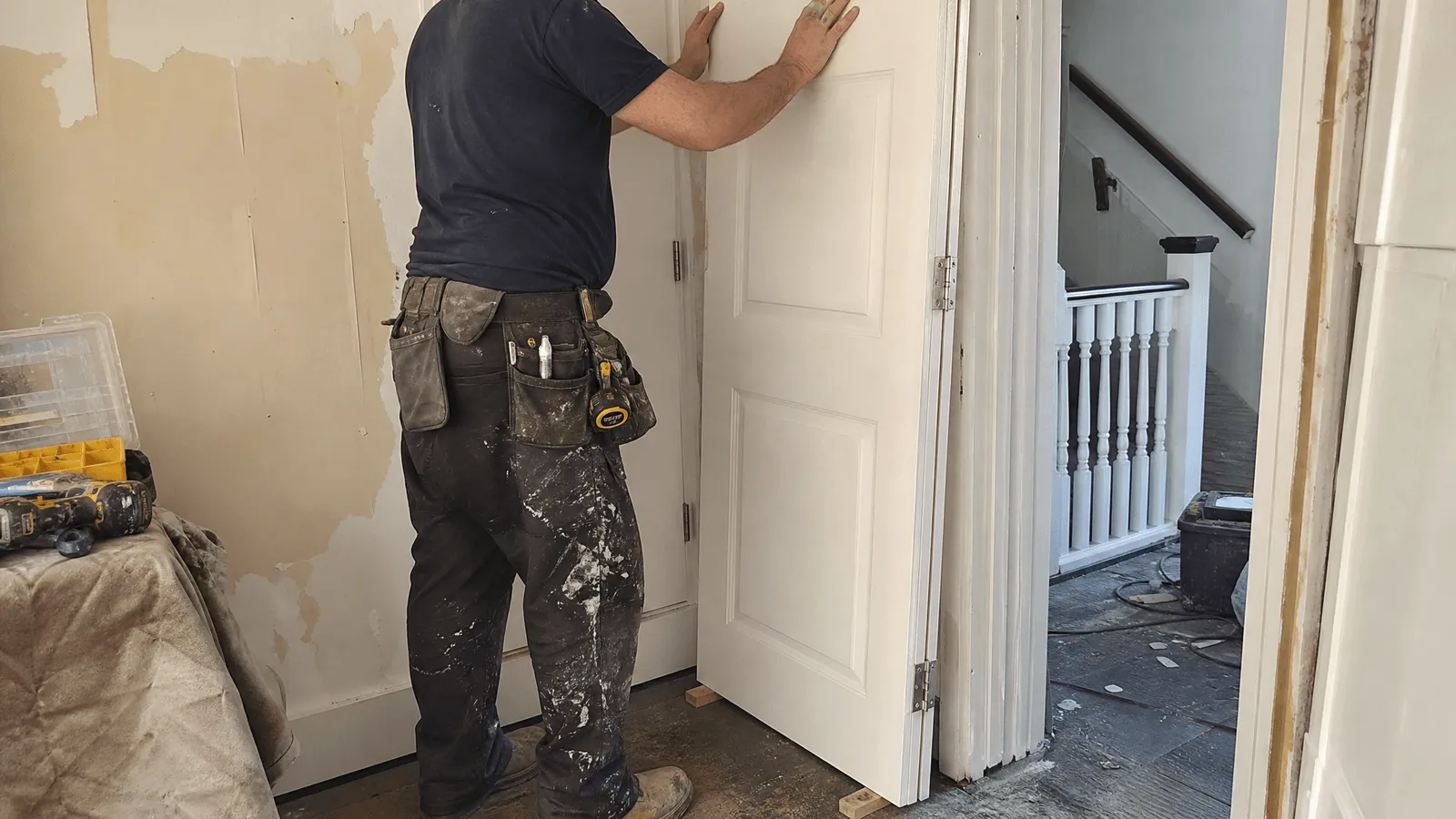
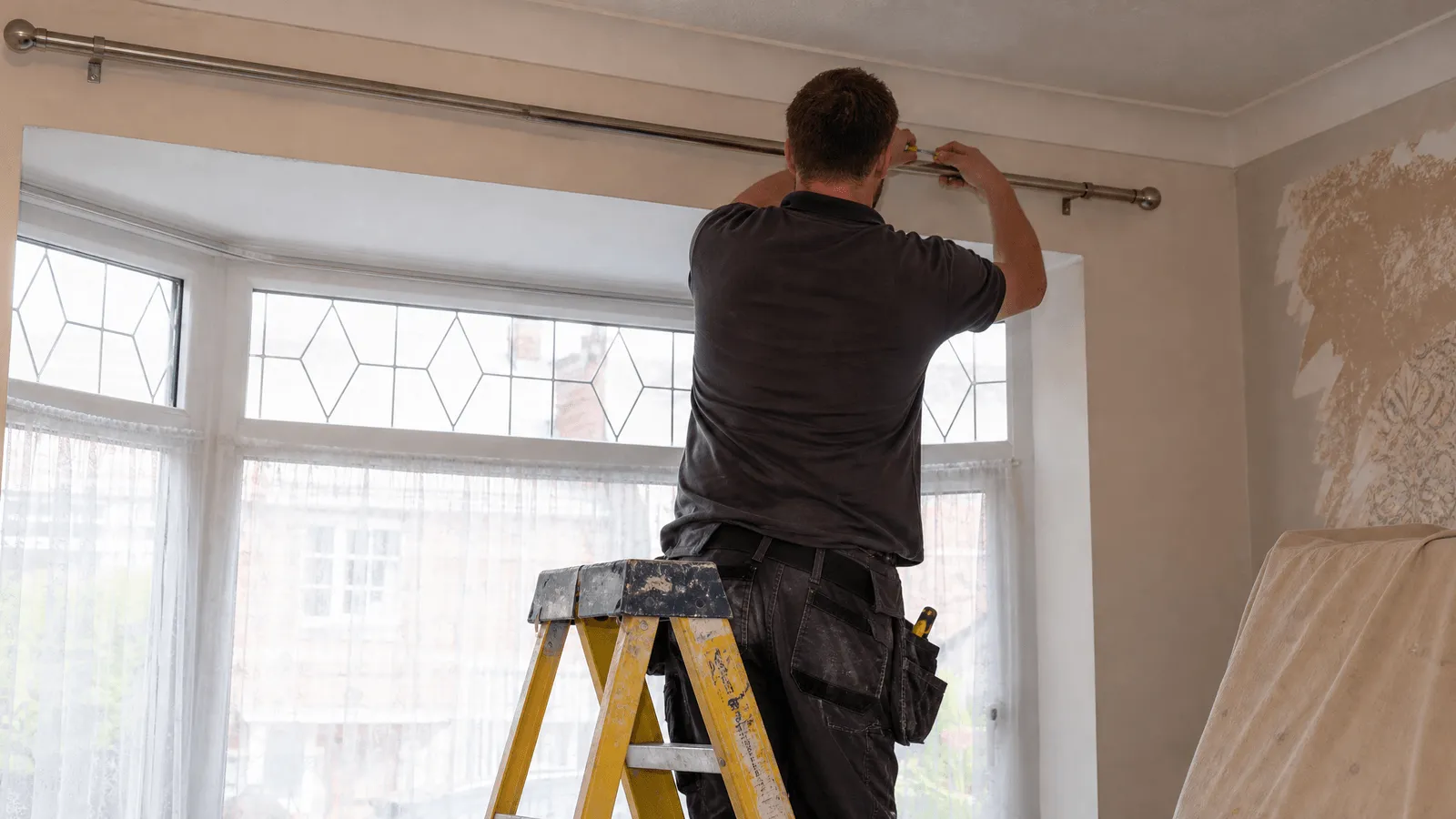
Jobs that suit a handyman include filling and touching up small holes and scuffs, refixing loose shelves, curtain poles or towel rails, easing sticking doors, replacing worn sealant, and putting a loose handle or hinge right. We can quote several together, so a whole list is priced as one job. Evening visits until 9pm, Monday to Friday, help if you’re juggling work and a move. Our Property Maintenance and Landlord Repairs service covers this kind of between-tenancy work across Birmingham, Solihull and Sutton Coldfield.
We’re upfront about limits. We don’t do electrical, gas or plumbing repairs, locksmith work or rubbish removal. For those, you’d need a qualified tradesperson in the relevant field, and we’ll tell you so rather than attempt it.
Key takeaways
- Fair wear and tear is gradual ageing from normal living, and landlords can’t deduct for it.
- Deductions are for damage, missing items, unpaid rent and cleaning back to the original standard.
- Age matters: landlords shouldn’t charge new-for-old or pay for upgrades from the deposit.
- Photos, the inventory and itemised costs are the best protection for both sides.
- Check GOV.UK for the official rules, and use the deposit scheme’s dispute service if you can’t agree.

Frequently Asked Questions
Usually only if the walls have been damaged beyond normal use, such as heavy marking, stains or unapproved colours. Paint naturally ages, so a landlord generally can't bill a tenant for repainting a room just because time has passed. The age of the paint and the inventory both matter.
It depends on its size and cause. Light wear along walkways is normal ageing. A noticeable stain from a spill left untreated is more likely to be treated as damage, though the carpet's age should reduce any charge. Photos from check-in and check-out help settle it.
Often yes, if the repair is done properly and the tenancy allows it. A neat filled hole is better than a visible patch. If you're unsure, ask your landlord or agent first. A handyman can handle small jobs like this if you'd rather not risk a poor finish. Got a list of small jobs to clear before check-out or before the next tenant arrives? [Call 0121 330 2052](tel:+441213302052) and we'll talk through it, then quote the lot together.
Jobs we can do for you
Got a list of small jobs?
Send it over by phone or the form and we will tell you what we can do in one visit.